Standard Poodle Health Testing: What Every Puppy Buyer Should Know Before Choosing a Breeder
Standard Poodle Health Testing: What Every Puppy Buyer Should Know Before Choosing a Breeder
By Angela Creasy
Founder of Higher Standard Poodles
Experienced Standard Poodle Breeder
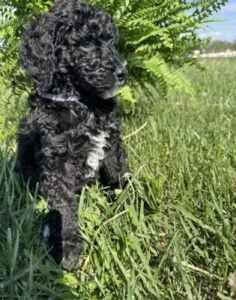
Choosing a Standard Poodle puppy is an exciting decision, but finding the right breeder involves much more than choosing a color or waiting for an upcoming litter.
A responsible Standard Poodle breeder prioritizes health, temperament, structure, and lifelong support. One of the most important things a puppy buyer can learn is how health testing works and what responsible breeders do before bringing a litter into the world.
At Higher Standard Poodles, we believe families deserve transparency and education when choosing their next companion. Health testing is one of the foundations of our breeding program because our goal is to produce healthy, happy Standard Poodle puppies with excellent temperaments that become beloved family members.
This guide explains what health testing means, why it matters, and the questions every puppy buyer should ask before choosing a Standard Poodle breeder.
Standard Poodle health testing is one of the most important factors families should consider when choosing a responsible breeder. Health testing provides valuable information about a breeding dog’s genetics, orthopedic health, and overall wellness, helping breeders make informed decisions when planning future litters.
Why Standard Poodle Health Testing Matters
Standard Poodles are known for their intelligence, athletic ability, elegance, and loving personalities. They are wonderful family companions, therapy dogs, service dogs, and performance dogs.
However, like every breed, Standard Poodles can be predisposed to certain inherited conditions. Responsible breeders use health testing to reduce the risk of passing these conditions to future generations.
Health testing does not guarantee that a dog will never develop a medical issue. No breeder can honestly make that promise. Instead, health testing helps breeders make informed decisions by understanding the genetics and physical health of their breeding dogs.
A responsible breeder asks:
- Are the parents physically healthy?
- Are they structurally sound?
- Have they been screened for inherited diseases?
- Do they have stable temperaments?
- Are they good representatives of the breed?
Health testing is about improving the breed—not simply producing puppies.
Genetic Testing vs. Health Testing: What Is the Difference?
One of the biggest misconceptions among puppy buyers is that a DNA test alone means a dog is fully health tested.
Genetic testing is an important part of responsible breeding, but it is only one piece of the puzzle.
Genetic Testing
DNA testing looks for specific inherited mutations associated with certain diseases.
Examples of genetic conditions that may be evaluated in Standard Poodles include:
- Progressive Retinal Atrophy (PRA)
- Degenerative Myelopathy (DM)
- Neonatal Encephalopathy with Seizures (NEWS)
- Von Willebrand Disease Type I (vWD)
Genetic testing helps breeders understand whether a dog is:
- Clear
- A carrier
- At risk
A carrier does not automatically mean a dog should never be bred. Responsible breeders use test results strategically to avoid producing affected puppies.
Embark DNA testing explains genetic testing and is who Higher Standard Poodles utilizes for all genetic testing of our adults. Embark Veterinary
Why OFA Testing Is Important for Standard Poodles
The Orthopedic Foundation for Animals (OFA) is one of the most recognized organizations for evaluating canine health clearances.
OFA evaluations provide documented results that help breeders make responsible decisions.
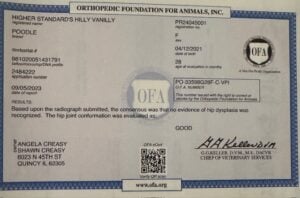
Responsible Standard Poodle breeders commonly evaluate:
Hip Testing
Hip evaluations help identify dogs with healthy hip structure and reduce the risk of producing puppies prone to hip dysplasia.
Elbow Testing
Elbow evaluations screen for abnormalities that may contribute to orthopedic problems.
Cardiac Evaluations
Heart evaluations can help identify concerns before breeding decisions are made.
Orthopedic Foundation for Animals (OFA)
What Health Testing Should a Responsible Standard Poodle Breeder Provide?
When researching breeders, puppy buyers should feel comfortable asking for documentation.
A responsible breeder should be willing to share:
✓ Parent health testing results
✓ Genetic testing information
✓ OFA results when applicable
✓ Veterinary records
✓ Temperament information
✓ Details about puppy raising practices
A breeder who values transparency welcomes questions.
At Higher Standard Poodles, we believe educated puppy buyers make the best puppy owners. Our breeding dogs receive health testing, including genetic screening through Embark and OFA evaluations, because every puppy deserves the best possible start.
- Higher Standard Poodles breeding program
- Standard Poodle puppies and our program
- Meet our adult dogs
Common Standard Poodle Genetic Conditions Explained
Understanding inherited health conditions is an important part of choosing a responsible Standard Poodle breeder. Genetic testing allows breeders to make informed decisions and helps reduce the risk of producing puppies affected by preventable inherited diseases.
A responsible breeder does not simply test for one condition or rely only on DNA results. They consider genetics, orthopedic health, temperament, and overall structure when planning a litter.
Below are some of the genetic conditions that may be evaluated in Standard Poodles.
Progressive Retinal Atrophy (PRA)
Progressive Retinal Atrophy (PRA) is a group of inherited eye diseases that can cause gradual vision loss.
In affected dogs, the cells of the retina deteriorate over time, eventually leading to blindness. Many dogs adapt very well because vision loss is typically gradual.
Genetic testing helps breeders determine whether a dog is:
- Clear: Does not carry the tested mutation
- Carrier: Carries one copy but is not expected to develop the disease
- Affected/Risk: Has genetic risk associated with developing the condition
Responsible breeding practices help prevent affected puppies by making careful pairing decisions.
Progressive Retinal Atrophy Embark Veterinary Genetic Health Testing
Von Willebrand Disease Type I (vWD)
Von Willebrand Disease Type I is an inherited bleeding disorder caused by a deficiency of von Willebrand factor, a protein involved in normal blood clotting.
Dogs with vWD may have prolonged bleeding after injury, surgery, or certain medical procedures.
Genetic testing helps breeders identify whether a dog is:
- Clear
- A carrier
- At risk
A carrier dog is not necessarily unhealthy and may still have excellent qualities that contribute to a breeding program. Responsible breeders use genetic information to avoid producing puppies that are affected.
A thoughtful breeding program focuses on informed decisions rather than eliminating every carrier from a breed. Genetic diversity is also important for maintaining healthy future generations.
Neonatal Encephalopathy with Seizures (NEWS)
Neonatal Encephalopathy with Seizures is a rare inherited neurological condition seen in some Standard Poodles.
Affected puppies typically show symptoms very early in life, including:
- Weakness
- Difficulty nursing
- Neurological abnormalities
- Seizures
Genetic testing allows breeders to identify carriers and make appropriate breeding choices to prevent affected puppies.
Degenerative Myelopathy (DM)
Degenerative Myelopathy is a progressive neurological disease that affects the spinal cord.
Dogs affected by DM may develop:
- Weakness in the rear limbs
- Difficulty walking
- Loss of coordination
DM typically occurs later in life rather than during puppyhood.
DNA testing helps breeders understand genetic risk and make decisions that support long-term breed health.
Progressive Rod-Cone Degeneration (PRA-prcd)
Another inherited eye condition evaluated in many breeds is Progressive Rod-Cone Degeneration (PRA-prcd).
This condition affects the retina and can eventually lead to blindness.
Because Standard Poodles are a breed where inherited eye health matters, responsible breeders consider genetic testing along with recommended eye examinations.
Osteochondritis Dissecans (OCD)
Osteochondritis Dissecans (OCD) is a developmental orthopedic condition involving abnormal cartilage development in joints.
It is not always identified through DNA testing. This is why responsible breeders look beyond genetic panels and include orthopedic evaluations such as OFA screening.
Signs may include:
- Lameness
- Joint pain
- Difficulty with activity
Proper breeding decisions, appropriate nutrition, and responsible puppy growth management all play a role in supporting orthopedic health.
Sebaceous Adenitis (SA)
Sebaceous Adenitis is an inflammatory skin condition that affects the sebaceous glands.
Possible signs include:
- Dry or flaky skin
- Hair loss
- Skin irritation
- Changes in coat quality
Standard Poodles are known for their unique curly coats, so maintaining healthy skin and coat is an important part of overall breed care.
Why Responsible Breeders Test Beyond DNA
A DNA panel is valuable, but it is only one part of responsible breeding.
A truly responsible Standard Poodle breeder considers:
✓ Genetic testing
✓ OFA orthopedic evaluations
✓ Temperament
✓ Structure and movement
✓ Family health history
✓ Proper puppy socialization
Health testing is not about creating a “perfect” dog. It is about stacking the odds in favor of producing puppies that have the best possible opportunity for a long, healthy life.
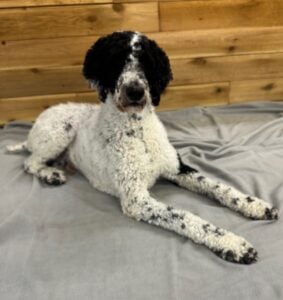
Health testing helps responsible breeders make informed decisions for future generations of Standard Poodles.
- Meet our health-tested Standard Poodles
- View our some of our Standard Poodle litters on Facebook
- Learn more about choosing a Standard Poodle breeder
Red Flags to Watch for When Choosing a Standard Poodle Breeder
Choosing a Standard Poodle puppy is a major commitment. A healthy puppy starts with thoughtful breeding decisions, proper care, and a breeder who prioritizes the well-being of their dogs over simply producing puppies.
While every breeder operates a little differently, there are certain warning signs that puppy buyers should be aware of when researching breeders.
The goal is not to criticize individual breeders, but to help families ask the right questions and make an informed decision.
Red Flag #1: No Verifiable Health Testing
One of the biggest warning signs is when a breeder says their dogs are “healthy” but cannot provide documentation.
A responsible Standard Poodle breeder should be comfortable sharing health information about the parents, including:
- OFA results when appropriate
- Genetic testing results
- Eye examination information
- Veterinary health records
- Health history of breeding dogs
Statements like:
- “The parents are healthy because our vet checked them”
- “We have never had problems before”
- “The puppies come with a health guarantee, so testing isn’t needed”
should prompt additional questions.
A health guarantee is valuable, but it does not replace responsible health testing before breeding.
Red Flag #2: The Breeder Will Not Share the Parents’ Information
Transparency is a key part of responsible breeding.
Before committing to a puppy, buyers should know:
- Who the sire and dam are
- Their health testing
- Their temperament
- Their pedigree information
- Why they were chosen for breeding
A breeder should be proud to introduce you to the dogs behind the litter.
Red Flag #3: Many Breeds or Constantly Available Puppies
Responsible breeding requires time, planning, and dedication.
Be cautious with breeders who:
- Always have multiple litters available
- Breed many different breeds
- Always have puppies ready to go home
- Focus heavily on volume
A small, intentional breeding program often allows more individualized care, socialization, and attention for each puppy.
Red Flag #4: Puppies Are Raised Without Proper Socialization
The first weeks of a puppy’s life are critical for development.
Ask breeders how puppies are raised.
Look for programs that include:
- Daily handling
- Exposure to normal household sounds
- Grooming introduction
- Age-appropriate social experiences
- Early neurological stimulation when appropriate
- Positive interactions with people
A puppy’s environment before going home can influence confidence and adaptability.
Red Flag #5: The Breeder Does Not Ask You Questions
A responsible breeder does not just sell puppies—they match puppies with families.
Be cautious if a breeder:
- Never asks about your lifestyle
- Does not ask about your experience with dogs
- Does not discuss grooming needs
- Does not explain Standard Poodle temperament
- Is only focused on receiving payment
A good breeder wants to know that their puppy is going to the right home.
Red Flag #6: Pressure to Send Money Quickly
Be cautious of high-pressure sales tactics such as:
- “Send a deposit today or you lose your puppy”
- “There are five other people waiting”
- “You need to decide immediately”
A responsible breeder understands that choosing a puppy is an important decision.
Red Flag #7: No Contract or Lifetime Support
A responsible breeder should provide clear expectations.
A good puppy contract typically explains:
- Health guarantees
- Buyer responsibilities
- Return-to-breeder policy if needed
- Spay/neuter expectations if applicable
- Ongoing breeder support
A breeder’s responsibility does not end when the puppy leaves.
Red Flag #8: Puppies Leave Too Early
Puppies learn important social skills from their mother and littermates.
Responsible breeders generally keep puppies until they are developmentally ready to transition to their new homes and follow appropriate veterinary recommendations.
Questions Every Puppy Buyer Should Ask a Standard Poodle Breeder
Before choosing a breeder, consider asking:
Health Questions
- What health testing has been completed on the parents?
- Can I see the results?
- Are the dogs tested through recognized organizations?
Puppy Raising Questions
- How are puppies socialized?
- What experiences do puppies receive before going home?
- What training has started?
Breeder Support Questions
- Do you provide support after adoption?
- Will you take the dog back if circumstances change?
- How do you match puppies with families?
What Responsible Breeding Looks Like at Higher Standard Poodles
At Higher Standard Poodles, we believe responsible breeding begins long before puppies are born.
Our focus is on:
✓ Health-tested parent dogs
✓ Stable temperaments
✓ Raising puppies in a family environment
✓ Early socialization and handling
✓ Educating families before they bring home a puppy
✓ Supporting our puppy families throughout the dog’s life
Choosing a breeder is about more than finding a puppy—it is about finding a partner who cares about the future of your dog.
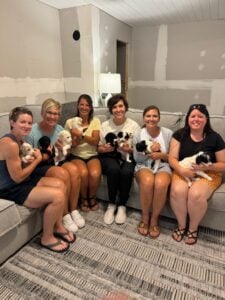
Responsible breeding means raising puppies with intentional care, early socialization, and lifelong support. Here is a picture of our puppies getting some socialization from my teacher friends.
Frequently Asked Questions About Standard Poodle Health Testing
What health testing should a Standard Poodle breeder complete?
A responsible Standard Poodle breeder should use multiple forms of health evaluation, including genetic testing, orthopedic screening, and appropriate veterinary evaluations.
Health testing commonly includes:
- DNA testing for inherited conditions
- OFA hip and elbow evaluations
- Cardiac evaluations when recommended
- Evaluation of temperament and structure
Health testing helps breeders make informed decisions and reduce the risk of passing preventable inherited conditions to future generations.
Is Embark testing enough for a Standard Poodle breeder?
Embark genetic testing is a valuable tool that provides important information about inherited disease risks and genetic traits. However, DNA testing alone does not replace other health evaluations.
Responsible breeders combine genetic testing with physical health screenings such as OFA evaluations and eye exams to get a more complete picture of a breeding dog’s health.
What does OFA mean in Standard Poodles?
OFA stands for the Orthopedic Foundation for Animals. OFA provides health screening evaluations for dogs, including orthopedic and other health clearances.
For Standard Poodles, OFA evaluations may include:
- Hips
- Elbows
- Cardiac
- Other breed-appropriate health screenings
OFA results provide transparency and allow puppy buyers to verify health information.
Can genetic testing guarantee that a Standard Poodle puppy will never have health problems?
No. No breeder can guarantee that a puppy will never experience a health issue.
Genetic testing reduces risk by helping breeders avoid producing puppies affected by known inherited diseases. Responsible breeders also consider environment, nutrition, veterinary care, and overall puppy development.
Should a Standard Poodle breeder test dogs that are not sick?
Yes. Many inherited conditions are not visible simply by looking at a dog.
A dog can appear healthy while carrying a genetic mutation or having a condition that requires specialized screening.
Health testing allows breeders to make responsible decisions before breeding takes place.
What questions should I ask a Standard Poodle breeder before buying a puppy?
Good questions include:
- What health testing has been completed on the parents?
- Can I see documentation of health results?
- How are puppies socialized?
- How do you match puppies with families?
- What support do you provide after adoption?
- What food and training recommendations do you provide?
A reputable breeder welcomes questions because an educated puppy buyer is more likely to have a successful match.
Why is temperament testing important in Standard Poodles?
Health is only one part of producing excellent companion dogs. Temperament is equally important.
Responsible breeders observe puppies as they develop and consider:
- Confidence
- Energy level
- Sensitivity
- Social behavior
- Adaptability
The goal is to help match each puppy with the family lifestyle where they will thrive.
How does Higher Standard Poodles prepare puppies for their new homes?
At Higher Standard Poodles, puppies are raised with intentional care and early experiences designed to help them become confident companions.
Our puppies receive:
- Daily handling
- Early Neurological Stimulation
- Early socialization
- Exposure to household sounds and experiences
- Grooming introduction
- Age-appropriate training foundations
- Veterinary care and health monitoring
We believe raising a puppy is about more than the first eight weeks—it is about creating a strong foundation for a lifetime with their family.
How do I find a responsible Standard Poodle breeder in Illinois?
When searching for a Standard Poodle breeder in Illinois, look for:
Standard Poodle puppies in Illinois
- Documented health testing
- Transparency about parent dogs
- A focus on temperament
- A clean, caring environment
- A breeder who asks questions about your family
- Ongoing support after adoption
A responsible breeder will focus on producing healthy, well-adjusted puppies rather than simply having puppies available
If you are searching for a health-focused Standard Poodle breeder in Illinois, we invite you to learn more about our upcoming litters and our puppy raising program.
About the Author
Written by Angela Creasy
Founder of Higher Standard Poodles/ Standard Poodle Breeder in Illinois
Angela Creasy is the founder of Higher Standard Poodles, a family-focused Standard Poodle breeding program located in Illinois. with a commitment to responsible breeding practices, Angela focuses on health testing, temperament, early puppy development, and matching families with well-socialized Standard Poodle companions.
Through hands-on experience raising Standard Poodles working with puppies from birth through placement, and maintaining relationships with puppy families, Angela is passionate about educating future owners about responsible breeding and what to look for when choosing a breeder.
Her goal is to provide families with transparent information so they can make confident decisions when searching for a healthy, well-adjusted Standard Poodle puppy.
Published July 19, 2026
Reviewed by:
Angeal Creasy, Founder of Higher Standard Poodles
Specializing in Standard Poodle health, temperament, puppy development, and responsible breeding practices.